

Botox for migraines is an FDA-approved preventive treatment for adults with chronic migraine. Rather than treating an attack after it begins, onabotulinumtoxinA is injected into specific areas of the head and neck to interfere with pain signaling and help reduce future headache days. It is generally intended for people experiencing 15 or more headache days per month.
ALCHEMĒ Medical Spa Del Mar
ALCHEMĒ Medical Spa Del Mar provides personalized aesthetic and wellness treatments designed around each client’s individual goals. Located at 12895 Paseo Village Way, Suite 1240, San Diego, CA 92130, the practice offers Botox for both aesthetic concerns and therapeutic applications, including chronic migraines.
For new clients, ALCHEMĒ currently offers a complimentary aesthetic consultation plus $50 off a first service, with exclusions applying. Those considering Botox for migraine management are encouraged to schedule a consultation to discuss their symptoms, treatment goals, and whether the treatment and current offer are appropriate for their needs.
Quick Takeaways
- Botox is FDA-approved to help prevent chronic migraine in adults.
- Chronic migraine is generally defined as at least 15 headache days per month for more than three months, including at least eight days with migraine features.
- The FDA-approved chronic migraine protocol uses 155 units divided among 31 injection sites across seven head and neck muscle areas.
- Treatment is preventive rather than a way to stop an individual migraine attack once it has started.
- Benefits can take more than one treatment cycle to evaluate fully.
- A medical evaluation is important to determine whether Botox is appropriate for your particular headache pattern and medical history.
What Is Botox for Migraines?
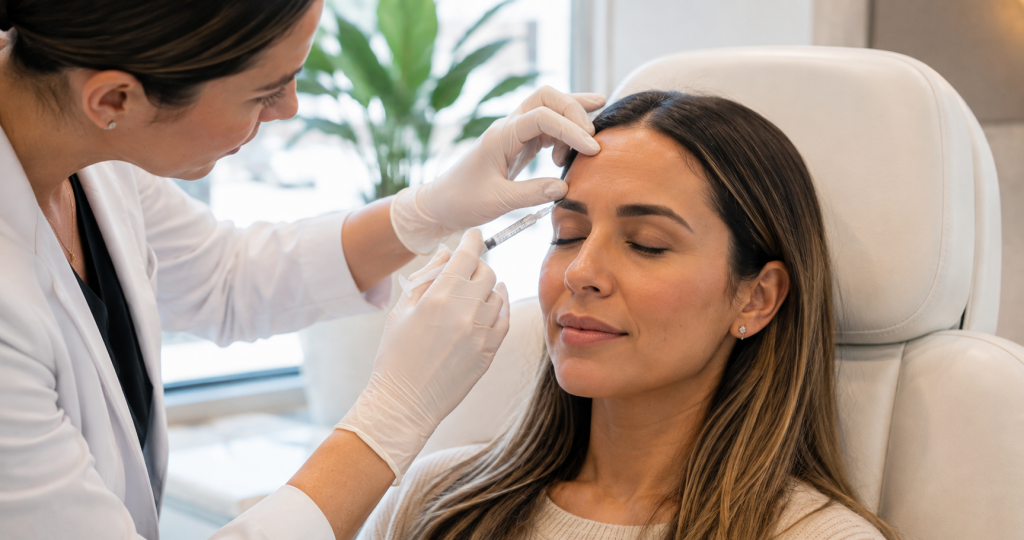
Botox for migraines uses onabotulinumtoxinA as a preventive treatment for chronic migraine. The medication is injected into specific areas around the forehead, temples, back of the head, neck, and shoulders. Its purpose is different from cosmetic Botox: the treatment protocol targets pathways involved in migraine pain rather than simply reducing the appearance of facial lines.
Botox received FDA approval for chronic migraine prevention in adults in 2010. It is not the same as taking an acute migraine medication when pain begins. Instead, treatments are scheduled periodically to reduce the frequency and burden of future headaches.
This distinction matters because people sometimes hear “Botox for headaches” and assume it is appropriate for any recurring headache. Migraine has specific diagnostic criteria, and frequent headaches can have different causes. A qualified healthcare provider should assess the headache pattern before choosing a treatment.
How Does Botox for Migraines Work?
Botox is believed to help prevent migraine by interfering with nerve signaling and the release of chemicals involved in transmitting pain. When injected around nerve endings associated with migraine, onabotulinumtoxinA can reduce activation of pain pathways that contribute to migraine attacks.
This mechanism is one reason migraine treatment differs from cosmetic Botox.
Cosmetic injections are typically planned around muscles responsible for expression lines. Chronic migraine treatment follows a medical injection protocol involving multiple areas of the head and neck.
Patients should therefore not assume that receiving cosmetic Botox in the forehead provides the same treatment as the FDA-approved chronic migraine protocol.
Who Is a Candidate for Botox Migraine Treatment?
Botox is FDA-approved for preventive treatment of chronic migraine in adults, rather than for occasional headaches or episodic migraine. Chronic migraine is generally characterized by at least 15 headache days per month for more than three months, with migraine features present on at least eight of those days.
Eligibility requires more than counting headache days. A healthcare provider may evaluate headache frequency, symptoms, medications, previous preventive treatments, medical history and possible causes of recurring headaches.
Keeping a headache diary before a consultation can be useful. Record how many headache days occur each month, how long attacks last, associated symptoms, medications taken, and whether headaches interfere with work, sleep, or everyday activities.
Someone experiencing frequent or changing headaches should seek an appropriate medical evaluation rather than self-diagnosing chronic migraine.
What Happens During a Botox Treatment for Chronic Migraine?
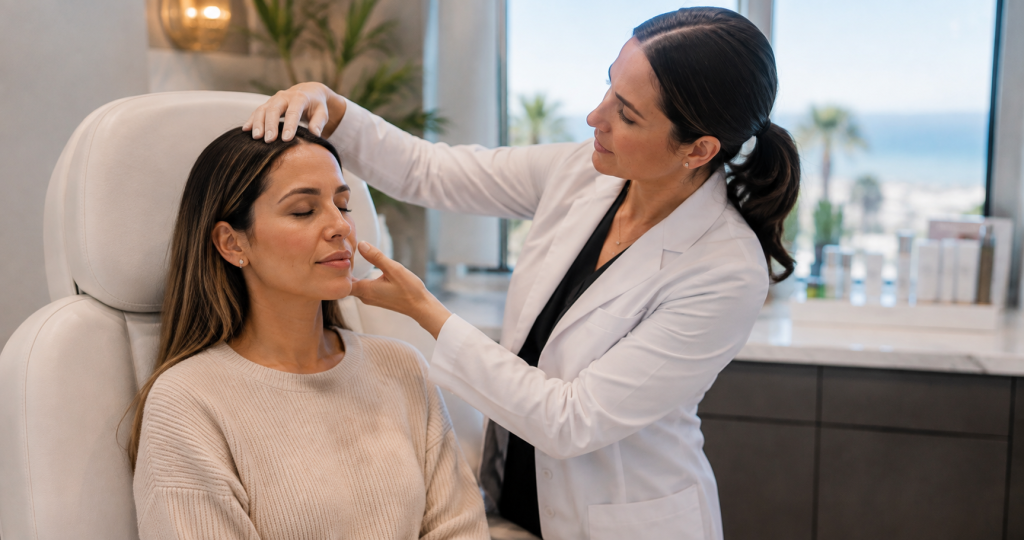
The FDA-approved adult chronic migraine regimen uses 155 units administered across 31 injection sites in seven specific head and neck muscle areas, with retreatment generally scheduled every 12 weeks.
Injection areas include the forehead and temple regions as well as muscles toward the back of the head, neck and shoulders.
| Treatment Detail | Standard FDA-Approved Chronic Migraine Protocol |
|---|---|
| Medication | OnabotulinumtoxinA (Botox) |
| Total standard dose | 155 units |
| Injection sites | 31 |
| Areas treated | Seven head and neck muscle groups |
| Typical retreatment schedule | Every 12 weeks |
| Main purpose | Prevention of chronic migraine |
Source: FDA prescribing information and clinical review.
Discuss the exact treatment experience with your treating medical professional. Individual medical circumstances may affect whether Botox is appropriate and how your provider manages treatment.
How Long Does Botox Take to Work for Migraines?
Some patients notice improvement after an initial treatment, but Botox for chronic migraine should not necessarily be judged after only a few days or one treatment cycle. The American Migraine Foundation notes that benefits may increase across subsequent treatment cycles, and clinicians often evaluate response over multiple rounds.
This makes realistic expectations important.
Botox is preventive treatment, not an instant cure for migraine. The goal is generally to reduce headache frequency and severity and make migraine easier to manage.
American Migraine Foundation materials report that clinical trials have shown an average reduction in headache days of roughly 50%, although individual responses vary considerably.
A useful way to assess progress is to continue a headache diary after treatment. Comparing monthly headache days, migraine days, attack severity and medication use can give the treating provider more meaningful information than relying on memory alone.
Is Migraine Botox Different From Cosmetic Botox?
Yes. Migraine Botox and cosmetic Botox can use the same active medication, but they have different goals and treatment patterns. Cosmetic Botox is primarily used to temporarily soften dynamic expression lines, while the FDA-approved chronic migraine protocol involves 31 injections distributed across specific head and neck areas.
ALCHEMĒ Medical Spa Del Mar provides Botox for aesthetic purposes, such as forehead lines and crow’s feet, and also states that Botox is used therapeutically for chronic migraines.
| Cosmetic Botox | Botox for Chronic Migraine |
| Primarily aesthetic goal | Medical preventive goal |
| Targets selected facial muscles | Uses defined head and neck treatment areas |
| Treatment pattern varies by aesthetic goal | FDA protocol specifies 31 sites and 155 units |
| Designed to reduce dynamic wrinkles | Designed to reduce chronic migraine burden |
Because the objectives are different, patients seeking migraine relief should specifically discuss chronic migraine treatment rather than assuming a cosmetic Botox appointment will address their headaches.
What Are the Potential Risks and Side Effects?
Botox is a prescription medication and can cause side effects, so treatment should follow an appropriate medical assessment. The FDA prescribing information contains contraindications, warnings, and precautions that patients and treating professionals should review before treatment.
Your consultation is the appropriate time to discuss medications, allergies, previous reactions to botulinum toxin products, pregnancy or breastfeeding considerations, neurological or muscular conditions, and other relevant medical history.
Patients should also understand what symptoms require medical attention following treatment. Your provider should give you individualized aftercare guidance and explain what to expect based on the treatment performed.
Is Botox Only Used for Migraines?
No. Botox has both medical and cosmetic applications. Depending on the indication, botulinum toxin may treat conditions involving muscle activity or nerve signaling, as well as temporarily improve certain facial lines.
At ALCHEMĒ Medical Spa Del Mar, the published Botox information describes aesthetic treatments for concerns such as forehead lines and crow’s feet as well as therapeutic uses including chronic migraine and excessive sweating.
The fact that Botox has multiple applications does not mean the treatment is identical for each concern. Dose, injection locations, treatment objectives, and patient evaluation can differ significantly.
That is why you should always clearly communicate your reason for seeking Botox during consultation.
Why Consider ALCHEMĒ Medical Spa Del Mar for Botox?
ALCHEMĒ Medical Spa Del Mar specifically lists customized Botox treatment and states that its Botox applications extend beyond aesthetics to therapeutic purposes, including chronic migraines. Its broader practice combines aesthetic services with wellness and functional medicine services at its Del Mar and La Jolla locations.
Independent evidence also supports ALCHEMĒ’s established presence in the San Diego wellness and aesthetics market. Ranch & Coast Magazine named Alcheme Health a Medical Spa winner in its 2020 Best of Ranch & Coast awards and a finalist in the Medical Spa category in 2021. The publication has also recognized Alcheme Health in naturopathic medicine categories.
Third-party med-spa directory MedSpa Scout currently lists the Del Mar location at 12895 Paseo Village Way and identifies Botox among its services, independently corroborating both the location and availability of Botox treatments.
ALCHEMĒ’s official site currently advertises a complimentary aesthetic consultation and $50 off a first service for new clients, with exclusions. Patients seeking therapeutic Botox should ask whether this offer applies specifically to their proposed treatment.
Frequently Asked Questions
How often is Botox given for chronic migraine?
The recommended retreatment schedule for the FDA-approved chronic migraine regimen is generally every 12 weeks. Treatment response varies, and patients should follow the schedule recommended by their treating medical professional rather than changing treatment intervals on their own.
Does Botox permanently cure migraines?
No. Botox is a preventive treatment for chronic migraine, not a permanent cure. Its effects are temporary, so treatment is generally repeated at approximately 12-week intervals when clinically appropriate. The goal is to reduce migraine frequency and burden over time.
Can you get Botox if you have fewer than 15 headache days per month?
The FDA-approved indication discussed here is for chronic migraine in adults, which is associated with 15 or more headache days per month. The American Migraine Foundation notes that Botox is not recommended as the standard treatment for patients experiencing fewer than 15 headache days monthly. A clinician can discuss other preventive options for episodic migraine.
Can Botox for migraines also improve forehead wrinkles?
Some migraine injection sites are located in facial areas where Botox can affect muscle activity, but chronic migraine treatment should be planned around its medical objective rather than cosmetic results. Anyone interested in both migraine prevention and aesthetic Botox should tell the treating provider so they can evaluate the goals appropriately.
Should I see a migraine specialist before getting Botox?
People with frequent, severe, new or changing headaches should receive an appropriate medical evaluation. The American Migraine Foundation recommends speaking with a healthcare provider, such as a primary care physician or headache specialist, when chronic migraine is suspected. Diagnosis is important because not every recurring headache is chronic migraine.
Explore Botox for Migraines at ALCHEMĒ Medical Spa Del Mar
If frequent migraines are interfering with your routine, determining whether Botox for migraines is appropriate starts with a professional evaluation. ALCHEMĒ Medical Spa Del Mar lists Botox among its treatments and specifically identifies chronic migraine as a therapeutic application.
If you’re ready to experience personalized, science-backed beauty and wellness, visit Alcheme MedSpa Del Mar location for your first treatment. Be sure to bring your coupon to show the receptionist and enjoy your introductory savings, whether you choose 20 percent off your first visit, 75 dollars off your first service, or 20 percent off NAD therapy. It’s the perfect time to start feeling and looking your best.
ALCHEMĒ Medical Spa Del Mar
12895 Paseo Vlg Wy, San Diego, CA 92130